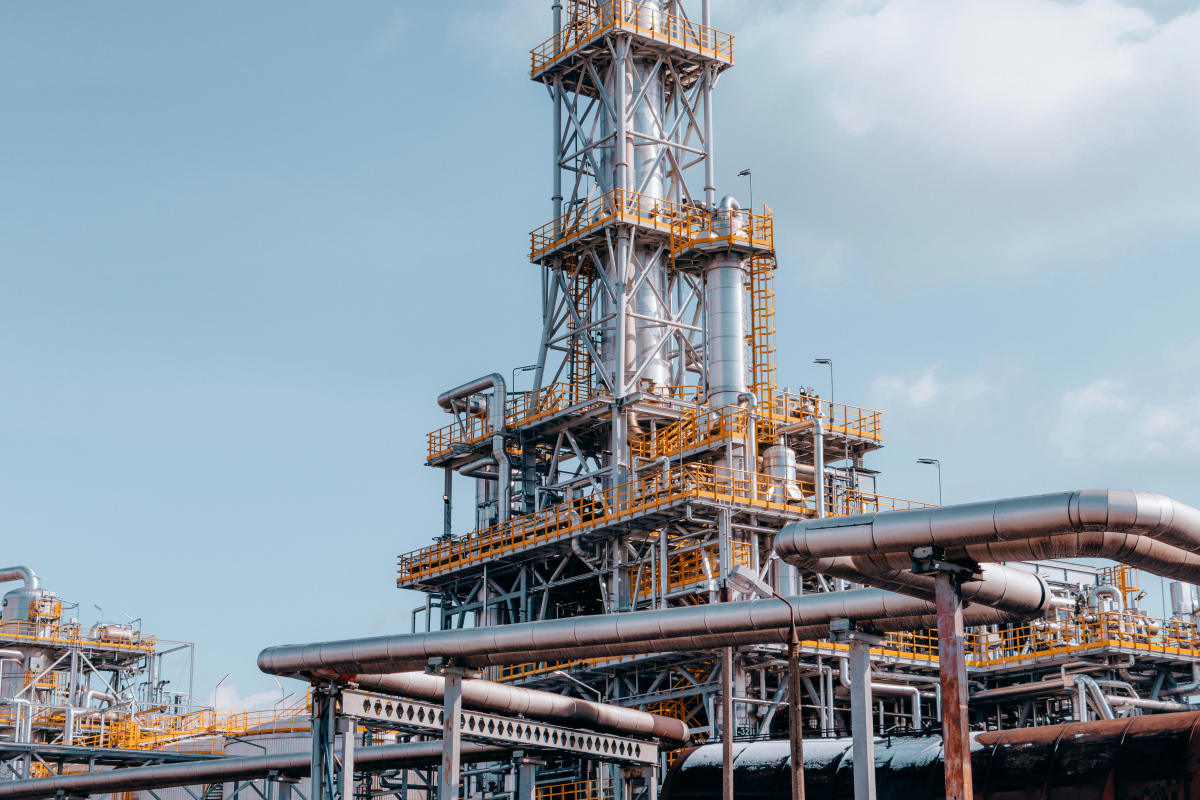
Oil and gas facilities face a combination of risks that few other industries encounter at the same scale. Remote well sites, high-value equipment, hazardous materials, and strict regulatory expectations make security and safety essential parts of daily operations. Proactive video monitoring (PVM) adds a layer of protection by detecting suspicious activity the moment it begins, rather than after damage occurs.
Security researchers have found that real-time monitoring supported by analytics significantly reduces theft, vandalism, and operational disruptions in critical infrastructure environments. Studies also show that early detection limits both safety incidents and unplanned downtime, helping facilities maintain continuity and remain compliant with industry standards.
1. Detects Threats Before Damage Occurs
Oil and gas sites are frequent targets for copper theft, fuel theft, equipment tampering, and protest activity. Surveillance systems that combine camera analytics with live human verification reduce security events by intervening early, often before a perpetrator reaches the asset they’re targeting.
Proactive video monitoring uses:
Motion and behavior-based analytics that identify unusual patterns and trigger alerts based on predefined parameters.
Human operators who verify threats and distinguish between legitimate activity and genuine security concerns.
Instant audio voice-downs that deter intruders by letting them know they’re being watched and that authorities have been notified.
This model shifts security from a reaction-based approach to a prevention-based one.
2. Protects Remote And Unmanned Sites
Many oil and gas assets, including wellheads, pumping stations, pipelines, and storage yards, are located in isolated or unmanned areas. Research from the U.S. Department of Energy notes that remote energy infrastructure benefits greatly from continuous video oversight, especially where on-site guards are impractical. Continuous monitoring helps detect unauthorized access, unusual vehicle activity, or individuals approaching restricted areas.
This reduces reliance on periodic patrols and strengthens situational awareness across large geographic regions.
3. Supports Worker Safety And Hazard Response
Beyond security, video monitoring helps detect unsafe conditions, such as:
Unauthorized entry into hazardous zones where personnel may be exposed to dangerous chemicals, equipment, or environmental conditions.
Improper handling of equipment that could lead to accidents or facility damage.
Potential ignition risks near flammable materials or in explosive atmospheres.
Slip, fall, or medical emergencies that require immediate response to protect worker health.
Safety studies published in the Journal of Loss Prevention in the Process Industries show that real-time visibility and faster reporting significantly improve emergency response times in industrial settings. When operators can intervene quickly, they help prevent small issues from escalating into incidents that jeopardize personnel and operations.
4. Helps Reduce Operational Downtime
When equipment is damaged, stolen, or tampered with, production can halt for hours or days. Research in industrial security identifies early detection as one of the most effective ways to minimize downtime, especially in sectors with sensitive equipment or environmental risk factors.
PVM helps prevent costly interruptions by:
Catching intrusions before equipment is damaged, protecting critical machinery and infrastructure investments.
Alerting operators to leaks or unsafe behavior sooner, enabling rapid response before situations escalate.
Monitoring maintenance areas for compliance issues, ensuring work is performed according to safety protocols.
Every prevented incident helps maintain production schedules and protects profitability.
5. Strengthens Compliance And Regulatory Readiness
Oil and gas facilities must meet stringent federal and state requirements for access control, incident reporting, and site security. Monitoring systems provide documented evidence of compliance, helping operators demonstrate that proper measures were in place during audits or investigations.
Studies on critical infrastructure oversight from the Cybersecurity and Infrastructure Security Agency (CISA) emphasize the role of surveillance records in supporting regulatory compliance and environmental safety requirements.
Continuous monitoring supplies data, documentation, and validated event logs, all of which support regulatory readiness.
6. Enhances Perimeter Control Across Large Sites
Pipelines, terminals, and refineries have wide perimeters that are difficult to secure with guards alone. Behavioral analytics can identify movement patterns, unusual nighttime activity, or vehicles lingering near fences. Research on perimeter security effectiveness shows that combining cameras with analytics improves detection rates and reduces false alarms compared to traditional systems.
This is especially valuable for sprawling sites with multiple access points.
7. Supports Environmental And Leak-Risk Oversight
While PVM is not a substitute for gas detection or environmental monitoring systems, it enhances visual oversight when anomalies occur. Operators can quickly dispatch personnel when they observe activity near valves, tanks, or sensitive components.
Industrial safety literature notes that integrated monitoring, combining visual surveillance with environmental sensors, significantly shortens the time between detection and response.
Why Oil And Gas Operators Are Moving Toward Proactive Monitoring
Research across critical infrastructure sectors shows increasing adoption of proactive monitoring because it:
- Reduces successful intrusions
- Lowers incident response times
- Decreases theft and vandalism losses
- Supports safety programs
- Improves regulatory documentation
- Minimizes operational disruptions
For an industry where downtime, safety violations, or environmental incidents carry significant consequences, proactive monitoring provides an added layer of protection that traditional surveillance alone cannot deliver.
Ready to experience Proactive Video Monitoring? Contact Pye-Barker Fire & Safety to learn how proactive video monitoring strengthens protection across drilling sites, wells, pipelines, and remote facilities. Our approach utilizes experienced monitoring specialists who verify threats in real time, helping prevent incidents before they disrupt operations. In an industry where safety, uptime, and asset reliability are essential, the strongest security comes from combining intelligent technology with trained human oversight.