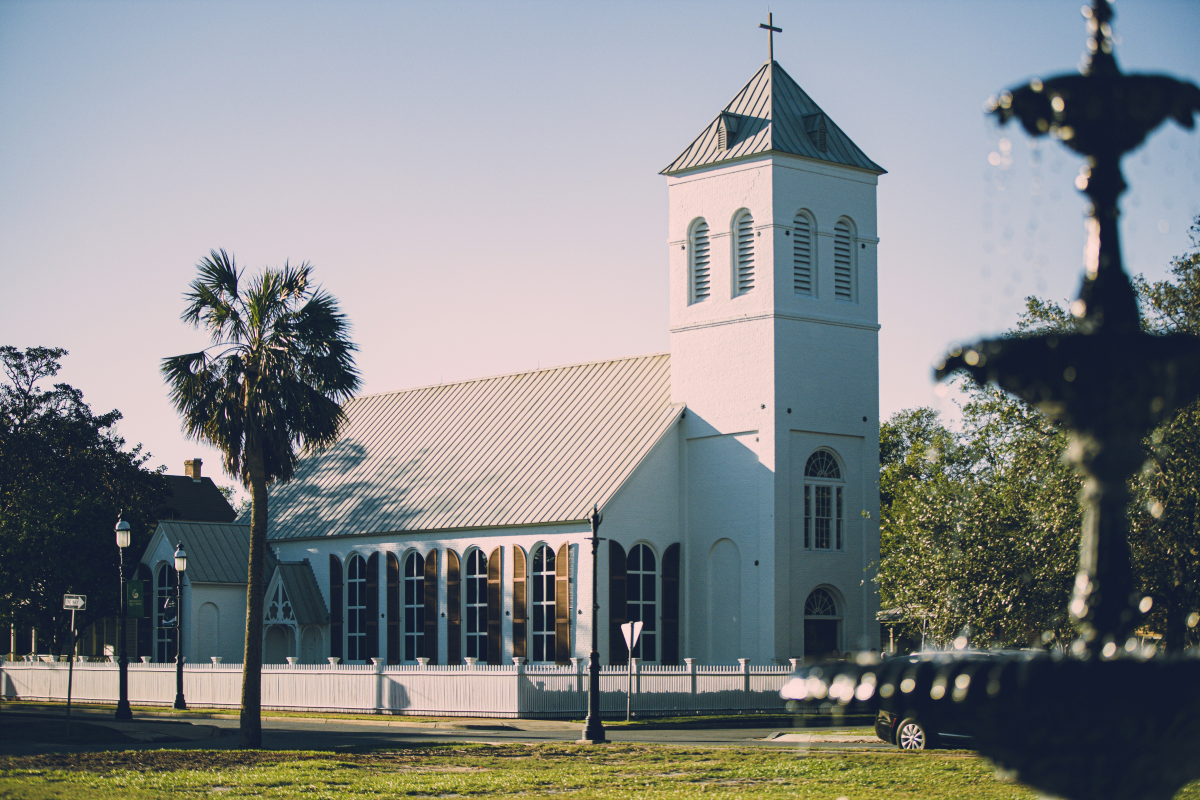
Churches and religious campuses in the Tampa Bay area serve as places of worship, community gatherings, education, and outreach. These properties welcome large groups throughout the week, yet they often sit unoccupied during off hours. This combination creates unique security challenges that require thoughtful planning, modern technology, and systems designed to protect people and property without disrupting the mission of the ministry.
Why Churches in Tampa Need Stronger Security Measures
Many worship centers have open-door cultures. While this hospitality is important, it can create vulnerabilities such as unauthorized access, after-hours entry, and unmonitored activity around children’s areas, administrative offices, and equipment storage.
According to the Federal Bureau of Investigation (FBI) Uniform Crime Reporting Program, property crimes at religious institutions remain a persistent concern nationwide. Research published in Security Journal indicates that houses of worship face unique vulnerabilities due to their open-access policies and limited security resources.
Local trends also show that churches are managing rising concerns including theft of audio equipment, vandalism, unwanted after-hours visitors, and liability risks during events. Tampa’s steady population growth adds another layer because more people on the move means more unfamiliar traffic around religious properties.
Modern security systems allow ministries to maintain a welcoming environment while protecting their congregation and assets. Studies from the National Fire Protection Association (NFPA) emphasize that integrated safety and security systems improve overall facility protection while supporting the welcoming atmosphere religious organizations seek to maintain.
Access Control Built for Religious Campuses
Access control helps churches decide who can enter specific areas and when. This is especially valuable for multi-building campuses or ministries that rely on volunteers.
Key benefits for Tampa churches:
Ability to lock or unlock doors remotely during services or events, providing flexible control as schedules change.
Separate access permissions for staff, clergy, volunteers, or childcare workers, ensuring appropriate authorization levels.
Schedules that keep doors secured during off hours while allowing automatic unlocking during regular activities.
Audit trails that show who accessed restricted areas, supporting accountability and incident investigation.
Reduction of key management issues after staff turnover, eliminating the need to rekey locks when personnel change.
According to guidance from the Department of Homeland Security (DHS) Cybersecurity and Infrastructure Security Agency (CISA), access control systems are fundamental components of physical security for houses of worship, particularly for protecting sensitive areas where children and vulnerable populations gather.
Pye-Barker designs systems that fit the layout and routine of each property. This allows ministries to secure offices, children’s wings, storage rooms, and worship spaces without making the environment feel closed off.
Security Systems That Protect People and Property
A security system is the foundation of church protection. For Tampa ministries, these systems provide rapid detection of unauthorized entry, glass breakage, or movement in restricted areas.
A professionally installed intrusion system offers:
24/7 monitoring by trained specialists who verify alarms and coordinate appropriate responses.
Immediate dispatch when alarms activate, reducing response times and potential losses.
Integration with access control and cameras for complete situational awareness across the campus.
Protection that allows staff and volunteers to work confidently at night or early mornings when buildings are otherwise empty.
Religious facilities often operate irregular schedules, so flexible arming options and customized zones help ensure coverage at all times. Research in Journal of Applied Security Research demonstrates that professionally monitored security systems significantly reduce successful intrusions and improve overall facility safety.
Surveillance Cameras That Strengthen Visibility
High-quality video surveillance helps churches oversee parking lots, building entrances, playgrounds, classrooms, hallways, and offices. For Tampa campuses that host seasonal events, festivals, or food distribution programs, cameras also help monitor large crowds and traffic patterns.
Modern systems provide:
Clear visibility day and night using infrared or low-light camera technology.
Remote viewing for administrators and security teams to monitor facilities from any location.
Stored footage for investigations or incident review when security events occur.
Peace of mind for parents and volunteers who want assurance that the facility is properly monitored.
Studies published in Security Management indicate that well-placed cameras can dramatically reduce vandalism and unauthorized after-hours activity by providing both deterrence and documentation.
Proactive AI Surveillance for Real-Time Alerts
Traditional cameras document what happened. Proactive video monitoring alerts you while it is happening. This is especially valuable for churches where suspicious activity often occurs outside normal operating hours.
Pye-Barker’s AI-enhanced surveillance detects people entering restricted zones and sends real-time alerts to our monitoring center. Human operators verify the event and can intervene through loudspeaker announcements, which often stops intruders before a crime occurs.
This approach helps churches in Tampa:
Reduce liability when someone enters playgrounds, storage areas, or offices after hours.
Deter theft of electronics, HVAC units, or copper wiring that are common targets.
Prevent vandalism and loitering through immediate intervention before damage occurs.
Receive early warnings during the night when no staff is on site to observe suspicious activity.
This level of protection gives ministries confidence that their property is being watched even when the campus is quiet.
Security System Comparison for Religious Facilities
| Security Solution | Primary Function | Key Benefits | Best Applications |
| Access Control | Restrict and monitor entry | Remote locking, audit trails, credential management | Children’s areas, offices, storage, after-hours protection |
| Intrusion Detection | Detect unauthorized entry | 24/7 monitoring, immediate alerts, multiple zones | Entire facility, especially during unoccupied hours |
| Video Surveillance | Visual monitoring and recording | Deterrence, documentation, remote viewing | Parking lots, entrances, hallways, high-traffic areas |
| Proactive AI Monitoring | Real-time threat detection | Human verification, audio intervention, crime prevention | Perimeter areas, equipment yards, after-hours protection |
| Integrated Systems | Unified security platform | Coordinated response, single interface, comprehensive coverage | Multi-building campuses, large religious facilities |
Building a Safer Future for Your Congregation
Churches exist to serve communities, and safety supports that mission. By combining access control, security systems, surveillance cameras, and proactive monitoring, religious facilities in Tampa can create a secure environment for worship, education, outreach, and ministry operations.
The International Association of Chiefs of Police (IACP) provides guidance emphasizing that houses of worship benefit most from layered security approaches that balance openness with protection. This aligns with research showing that integrated security systems provide the most effective protection for facilities with diverse, welcoming missions.
Pye-Barker Fire & Safety partners with churches across the region to design, install, and maintain security systems that fit their needs and schedules.
Ready to Strengthen Security at Your Church or Religious Facility?
Pye-Barker Fire & Safety helps Tampa ministries protect their people, property, and mission through reliable, integrated security solutions.
Contact us today to schedule a site assessment and learn how we can support your congregation.