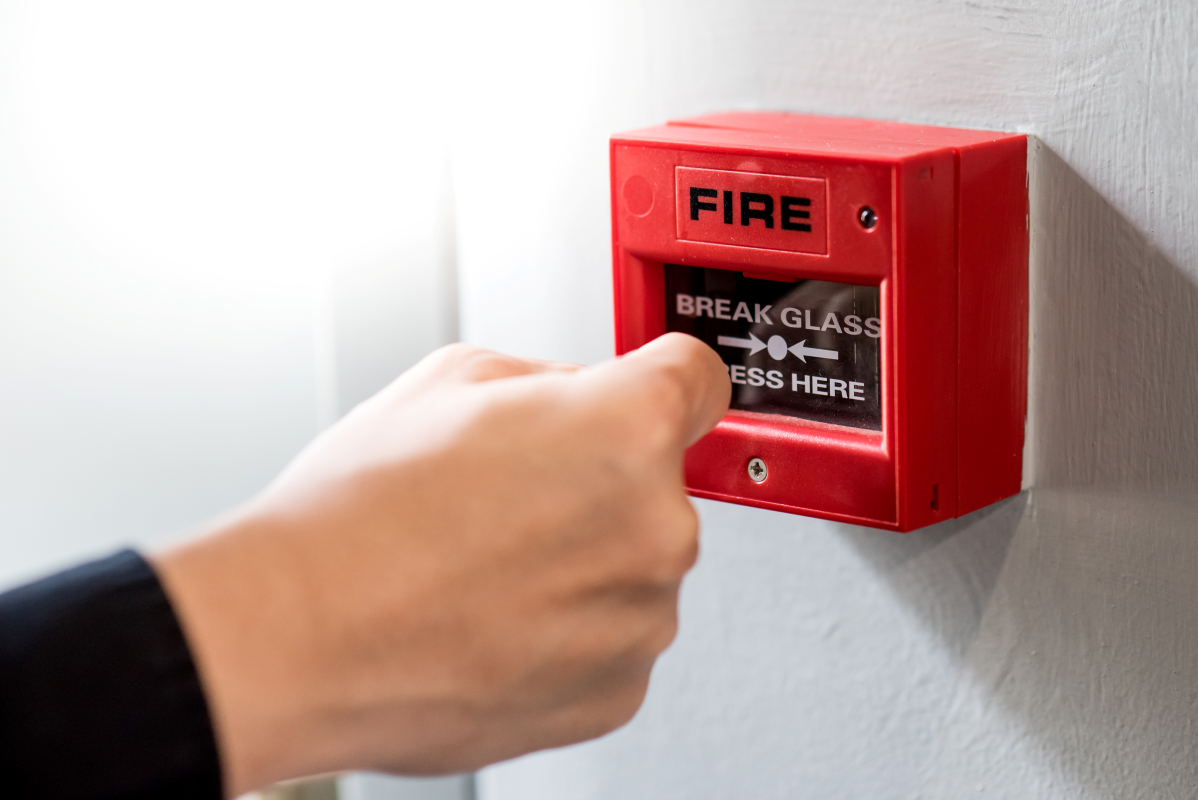
Fire alarm monitoring and inspection remain central to life safety compliance. As codes evolve and enforcement becomes more data-driven, building owners and facility managers are expected to document proper system performance, testing intervals, and monitoring connectivity. A reliable fire alarm system is not just about installation. It requires continuous monitoring, scheduled inspections, and detailed records that align with national and local standards.
For organizations managing commercial, healthcare, industrial, or multi-site properties, understanding how monitoring and inspection work together is key to staying compliant.
What Is Fire Alarm Monitoring?
Fire alarm monitoring connects your fire alarm control panel to a supervising station that receives signals when alarms, troubles, or supervisory events occur. When a signal is transmitted, trained operators follow established response procedures, which may include contacting emergency services and designated facility contacts.
Monitoring requirements are addressed within National Fire Protection Association standards, particularly NFPA 72, which governs fire alarm and signaling systems. Many jurisdictions require monitored systems for commercial buildings, high-occupancy facilities, and properties with sprinkler systems.
If your building includes a monitored system, it is important to confirm that communication pathways such as cellular or IP transmission meet current code expectations and are properly tested. For facilities requiring round-the-clock protection, 24/7 emergency service delivers immediate response when system issues arise.
Modern buildings increasingly benefit from integrated security and fire systems that coordinate responses across multiple life safety platforms.
Why Fire Alarm Inspections Matter
Routine inspection and testing by qualified personnel verify that each component of your system functions as intended. This includes control panels, smoke detectors, heat detectors, pull stations, notification appliances, and communication equipment.
Under NFPA 72, inspection frequencies vary based on device type and system configuration. Some components require annual testing, while others must be checked semiannually or quarterly. Local Authorities Having Jurisdiction (AHJs) may adopt additional requirements.
In 2026, compliance trends show greater emphasis on documentation. Digital inspection reports, detailed deficiency tracking, and proof of corrective action are often requested during audits or insurance reviews. Organizations requiring fire alarm services should prioritize that qualified technicians address deficiencies promptly to maintain continuous compliance.
Comprehensive code compliance services help building owners navigate the complex landscape of federal, state, and local fire safety regulations.
Key Compliance Areas to Review This Year
Building owners should review the following areas as part of their compliance planning:
1. Monitoring Connectivity
Confirm that communication pathways are active and properly supervised. Dual-path communication is commonly required in many jurisdictions to provide proper redundant signal transmission even if one pathway fails.
2. Inspection Frequency
Verify that required inspections have been completed within mandated timeframes. Missed intervals can lead to violations or fines during fire marshal inspections or insurance audits.
3. Deficiency Corrections
Any identified issues such as failed devices, battery problems, or panel faults should be addressed promptly and documented. This creates a clear record of corrective action for compliance reviews.
4. Recordkeeping
Maintain organized inspection reports, monitoring agreements, and service records. Many fire marshals request documentation covering multiple years to verify consistent compliance history.
Fire alarm system maintenance programs provide structured approaches to maintaining compliance documentation. Many organizations choose service agreements and preventive maintenance plans that combine all necessary services under coordinated schedules.
The Role of Integration in Modern Systems
Fire alarm systems often connect with sprinkler systems, mass notification systems, and security technologies. Integration allows coordinated responses during emergencies. For example, when a sprinkler flow switch activates, the alarm panel transmits a signal to the monitoring center while initiating building notifications.
NFPA 72 provides guidance on system interfaces and performance testing of interconnected systems. Coordination between fire alarms and sprinklers is also addressed within NFPA 13.
When systems are interconnected, inspection protocols must evaluate both individual components and overall system performance. This includes verifying proper communication between fire sprinkler systems and alarm panels, ensuring mass notification systems activate correctly, and confirming that all elements of integrated life safety solutions function as designed.
Common Inspection Deficiencies
During fire alarm inspections, technicians frequently encounter:
- Expired or weak backup batteries that cannot sustain system operation during power outages
- Obstructed or painted-over smoke detectors (and sprinkler heads/cover plates) that compromise detection capabilities
- Outdated communication modules that no longer meet current connectivity standards
- Incomplete documentation lacking proper testing records or deficiency corrections
- Devices blocked by renovations or layout changes that occurred without system updates
Addressing these issues promptly supports smoother inspections and helps reduce repeat service calls.
Preparing for a Fire Marshal Inspection
Fire marshal visits can be scheduled or unannounced. Preparation steps include:
- Confirming that recent inspection reports are accessible and properly organized
- Verifying monitoring account information and testing communication pathways
- Testing key devices prior to review to identify potential issues
- Reviewing open deficiencies and ensuring all corrections are documented
Working with a qualified fire alarm provider can simplify this process and help identify potential compliance gaps before an official inspection occurs. Organizations planning new installations or system upgrades should prioritize proper fire alarm design and installation from the outset to help reduce future compliance challenges.
Reference resources such as fire protection compliance checklists help facility managers track all required elements systematically.
Building a Long-Term Monitoring & Inspection Strategy
Compliance is an ongoing process. Many organizations choose structured service agreements that combine monitoring, inspection, maintenance, and repair under one coordinated plan. This approach helps standardize service intervals across multiple locations and provides a consistent record trail.
For multi-site businesses, aligning fire alarm monitoring and inspection programs across all facilities can reduce confusion and streamline reporting. Centralized documentation systems make compliance records accessible across locations when needed.
Regular reviews of system performance, communication pathway reliability, and inspection scheduling help identify improvement opportunities before they become compliance issues.
Stay Compliant with Pye-Barker
Fire alarm monitoring and inspection are foundational elements of building safety. The focus on documentation, connectivity reliability, and system integration continues to grow. By reviewing monitoring agreements, maintaining scheduled inspections, and addressing deficiencies quickly, building owners can meet code expectations and support occupant safety throughout the year.
If you are evaluating your fire alarm program, consider reviewing your current inspection schedule, monitoring setup, and service documentation to confirm they align with current standards and local requirements.
Contact Pye-Barker Fire & Safety today to discuss comprehensive fire alarm monitoring and inspection services that keep your facility compliant and protected.