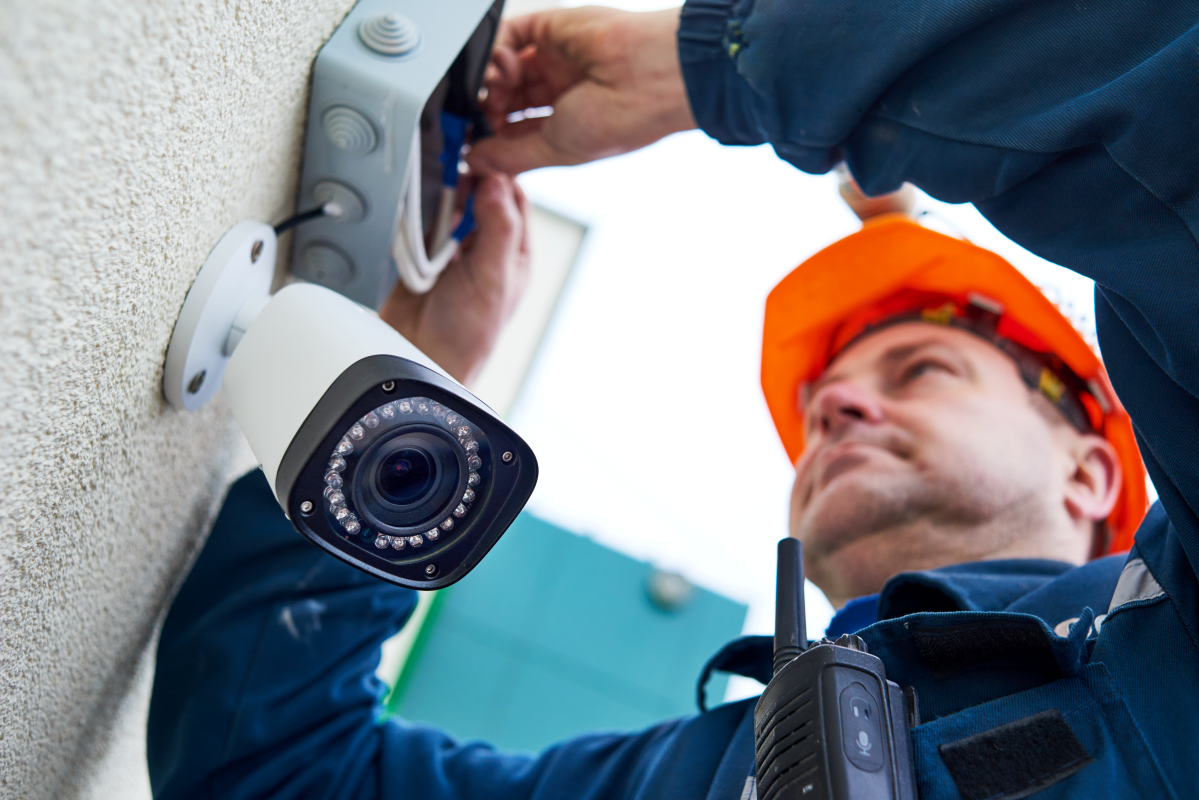
Security systems play an important role in protecting commercial facilities, employees, and business assets. Modern systems include a combination of technologies such as intrusion detection, surveillance cameras, access control, and alarm monitoring. When properly designed and installed, these systems help businesses monitor activity, document incidents, and respond to potential security concerns.
Why Businesses Install Commercial Security Systems
Commercial security systems serve several functions that support workplace safety and operational continuity. Security technologies help monitor facilities, control building access, and document incidents that may require investigation.
Businesses often install security systems to support:
- Employee and visitor safety
- Theft prevention and loss reduction
- Access control for restricted areas
- Monitoring of after-hours activity
- Incident documentation and investigation
Security systems are commonly used across offices, warehouses, retail stores, healthcare facilities, and industrial sites.
Core Components of a Commercial Security System
A modern commercial security system typically includes several integrated technologies working together to monitor a facility.
Surveillance Cameras
Video surveillance systems allow businesses to monitor activity in and around their facilities. Cameras may be installed at entrances, parking areas, hallways, and high-value storage locations.
Video systems can support real-time monitoring, recorded footage for incident review, visibility across multiple facility areas, and deterrence of unauthorized activity.
Intrusion Detection Systems
Intrusion detection systems monitor doors, windows, and interior spaces for unauthorized entry. These systems may include door contacts, motion detectors, and glass-break sensors. When a system detects activity outside normal operating conditions, it can trigger alarms and notifications.
Access Control Systems
Access control systems manage who can enter specific areas of a building. These systems may use key cards, fobs, or credential-based access.
Access control technology helps businesses restrict entry to sensitive areas, track building access activity, manage employee credentials, and reduce reliance on physical keys.
Alarm Monitoring
Many commercial security systems connect to monitoring centers that receive alarm signals and follow defined response procedures. Monitoring may include intrusion alarms, fire alarms, or environmental alerts. Monitoring services can provide notification to facility contacts when system activity occurs.
Factors to Consider Before Installing a Security System
Before installing a commercial security system, business owners often evaluate several factors related to facility layout, operations, and risk exposure.
Facility Size and Layout: The number of entry points, building size, and interior layout affect the placement of cameras, sensors, and access control devices. Large facilities or multi-building campuses may require additional system planning.
Type of Business Operations: Security needs vary by industry. Retail stores may prioritize theft prevention and customer area monitoring, warehouses may focus on perimeter security and inventory protection, and offices may require controlled access to internal departments. Understanding operational risks helps determine the appropriate security technology.
Integration With Other Safety Systems: In many facilities, security systems operate alongside fire protection systems, emergency communications, and building management technologies. Integration can allow multiple systems to share information or alerts.
Compliance and Documentation: Some industries maintain security systems to meet regulatory, insurance, or operational requirements. Documentation of system installation and maintenance may be required during inspections or audits.
Importance of Professional System Design and Installation
Commercial security systems involve electrical infrastructure, network connectivity, and integrated hardware components. Professional system design can help address issues such as camera placement, signal coverage, and device compatibility.
Installation considerations may include equipment selection, wiring and network infrastructure, sensor placement, and system configuration and testing. Proper installation also supports long-term system reliability and serviceability.
Security System Maintenance and Updates
After installation, security systems require routine maintenance and updates. Cameras, sensors, and control panels may need inspection, firmware updates, or replacement over time.
Routine service may include camera lens cleaning and alignment, sensor testing, software updates, and system performance checks. Regular maintenance helps maintain system functionality as facility needs change.
Choosing a Security Provider
When selecting a security provider, businesses often review experience, licensing, and service capabilities. Providers may offer system design, installation, monitoring, and ongoing maintenance. Working with experienced technicians can help businesses evaluate security needs and implement systems appropriate for their facility environment.
Pye-Barker Fire & Safety provides commercial security services including surveillance cameras, intrusion detection, access control, and monitoring solutions for facilities across a wide range of industries.
Frequently Asked Questions
What is a commercial security system?
A commercial security system is a network of devices such as cameras, sensors, alarms, and access control systems used to monitor and manage security within a business facility.
What types of businesses use security systems?
Security systems are commonly used by offices, warehouses, retail stores, healthcare facilities, manufacturing plants, and educational institutions.
Do commercial security systems require monitoring?
Some security systems connect to monitoring centers that receive alarm signals and notify facility contacts according to defined procedures.
How often should security systems be maintained?
Security systems should be inspected periodically and serviced when needed to maintain functionality and address equipment or software updates.