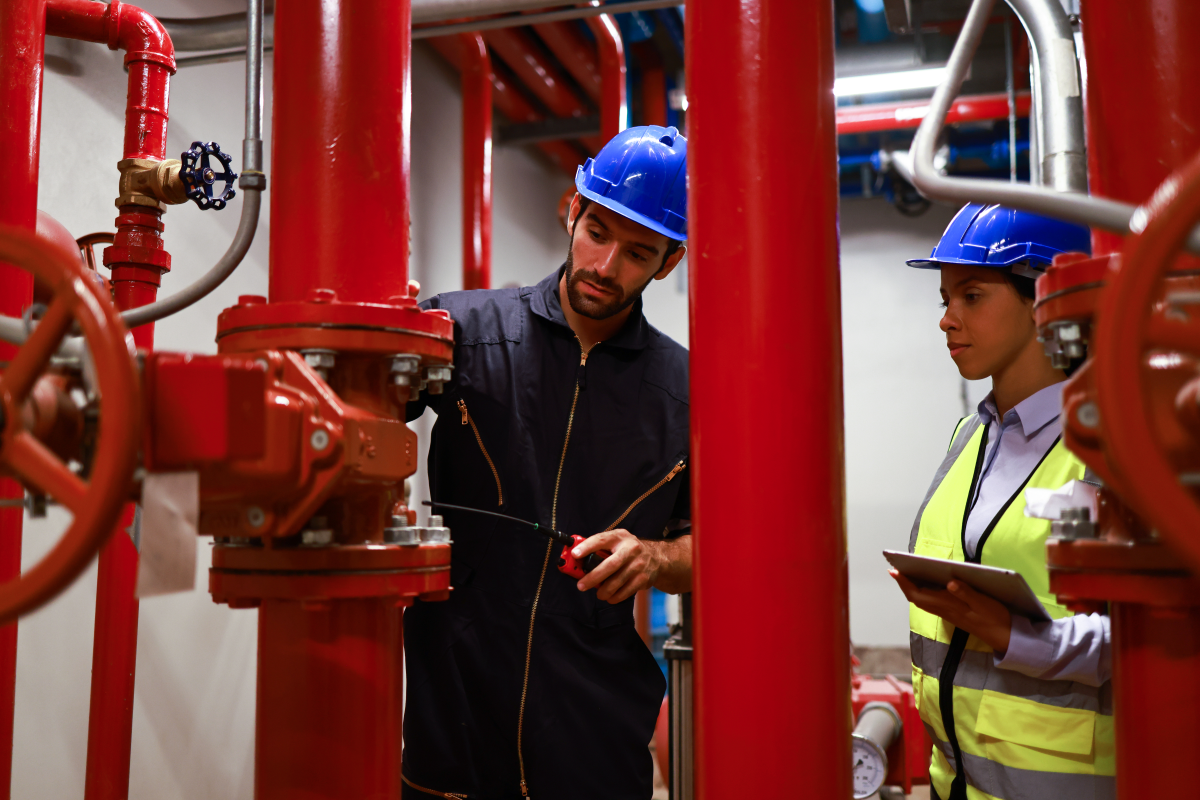
In 2026, most businesses are required to inspect all parts of their fire protection systems at least once a year by certified technicians as well as important monthly visual inspections performed by building staff. Missing inspection deadlines can result in code violations, fines, and a system that is not prepared to the highest standard when there is a safety emergency.
Fire Protection Rules Are Continuously Evolving
The National Fire Protection Association (NFPA) regularly updates its standards to ensure systems are maintained to keep people and property as safe as possible.
In order to uphold fire protection systems to the highest standard of safety, there has been a bigger push toward requiring detailed documentation, third-party verification, and digital inspection records in recent years, so it helps to have a professional who is able to take care of everything from inspection to documentation.
What the NFPA Standards Cover
These three NFPA codes govern most commercial fire protection inspections:

NFPA 25:
Covers water-based systems like sprinklers, standpipes, and fire pumps
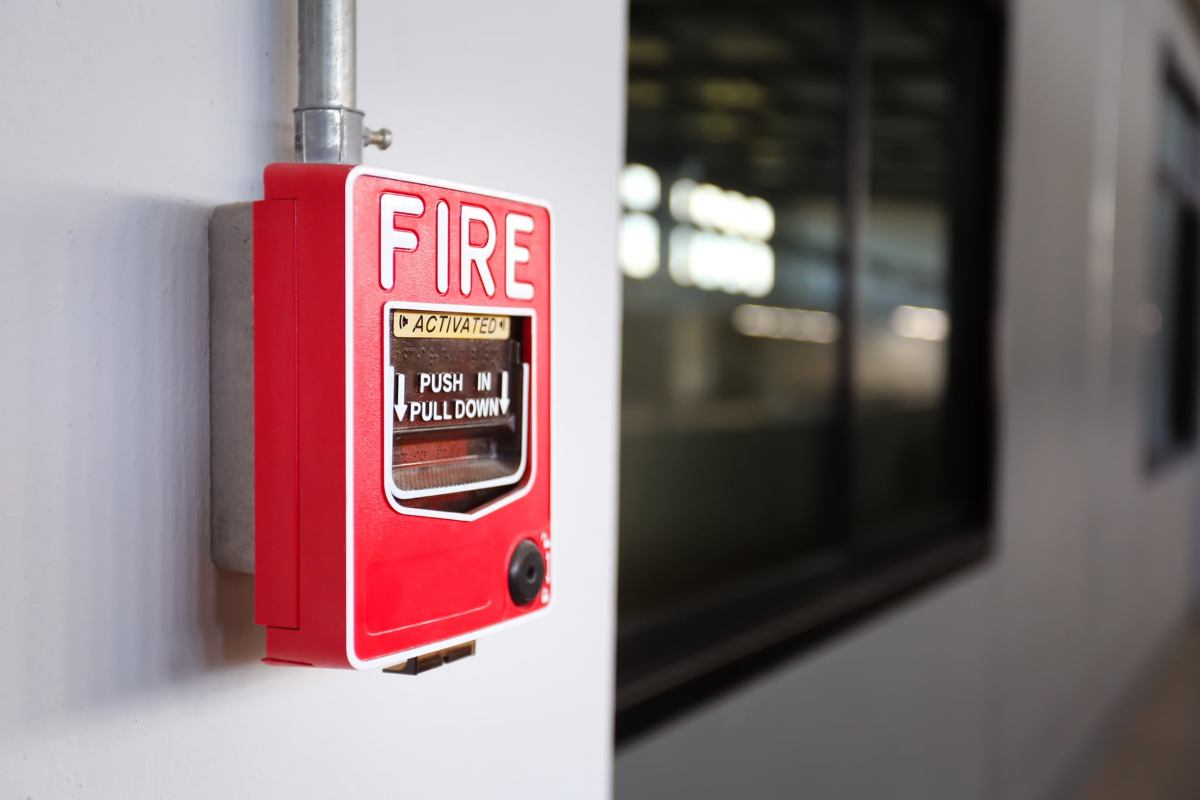
NFPA 72:
Covers fire alarm systems, smoke detectors, and notification devices
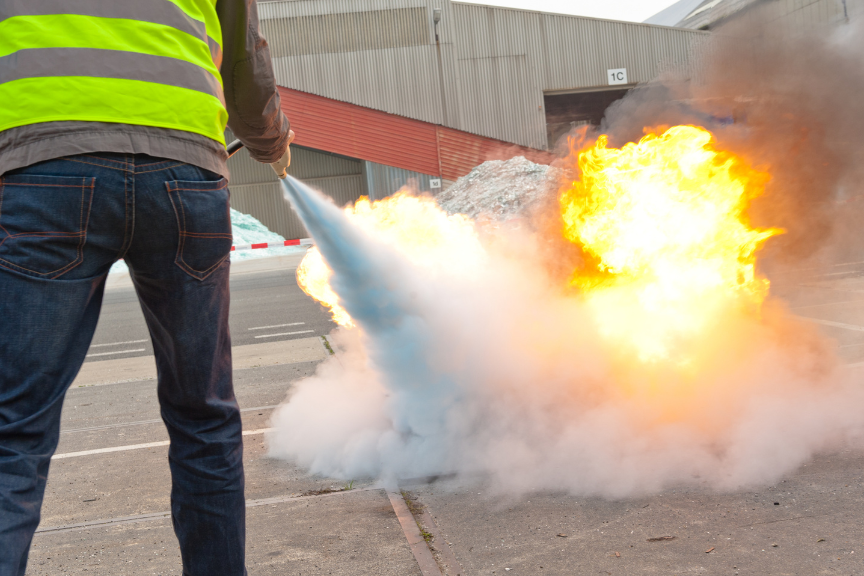
NFPA 10:
Covers portable fire extinguishers
Your local authority having jurisdiction (AHJ) may also add local and state mandates on top of NFPA minimums to ensure that the fire protection systems are fully operational and compliant.
How Often Should You Inspect Fire Sprinklers?
Sprinkler systems need to be checked monthly for control valves, quarterly for gauges and components, annually for a full inspection and flow test, and every 3–5 years for specific parts.
According to NFPA 25, fire sprinklers should be inspected:
| Frequency | Component | Requirement | Who performs it |
|---|---|---|---|
| Monthly | Control Valves | Visual check to confirm valves are fully open, properly sealed, and free from leakage or signs of tampering. | Building staff |
| Quarterly | System Gauges | Check that pressure is within the normal operating range. | Licensed technician |
| Alarm Valves, Check Valves & Dry-Pipe Valves | External inspection for leaks and assessment of overall physical condition. | ||
| Sprinkler Heads | Visual inspection for corrosion and physical damage; confirm a minimum of 18 inches of clearance beneath each deflector. | ||
| Annually | Entire System | Licensed professional inspection including flow testing, alarm device testing, pipe condition, fire department connection (FDC), anti-freeze loops (if applicable), and full documentation. | Licensed technician |
| Every 3–5 Years | Sprinkler Heads (Harsh Environments) | Heads exposed to high heat, chemicals, or heavy corrosion may require more frequent testing or replacement. | Licensed technician |
| Interior Piping | At the 5-year mark, inspect pipe interiors for buildup or corrosion that could reduce water flow. |
How Often Should Fire Alarms Be Tested?
Fire alarm systems need to be checked monthly by building staff and a full annual test by a licensed technician covering all detectors, notification devices, and monitoring pathways.
NFPA 72 requires inspections:
| Frequency | Component | Requirement |
|---|---|---|
| Monthly | Control Panel | Visual check to confirm the panel is in normal operating condition with no faults or alerts. |
| Notification Devices | Verify that horns, strobes, and other notification appliances appear physically intact. | |
| Pull Stations | Visual inspection to confirm pull stations are undamaged and unobstructed. | |
| Semi-Annually | Smoke Detectors | Required at higher-risk properties such as hospitals, high-rises, and schools. Check with your AHJ to confirm whether this applies to your facility. |
| Pull Stations | Required at higher-risk properties. Consult your AHJ for applicability. | |
| Annually | Entire System | Licensed technician tests all initiating devices (smoke detectors, heat detectors, pull stations), all notification appliances (horns, strobes), and the control panel. Verification that alarm signals are transmitting to the monitoring center is also required. |
| Every 2–5 Years | Smoke Detector Sensitivity | Sensitivity must be tested within the first year of installation and at regular intervals thereafter. Detectors outside the acceptable sensitivity range must be cleaned, recalibrated, or replaced. |
For a deeper look at timelines and documentation, see our companion post on fire alarm testing requirements.
How Often Should You Service Fire Extinguishers?
Every extinguisher in your building needs a visual check every month and professional service once a year. Depending on the extinguisher type, more comprehensive inspection and testing requirements occur at 6 and 12 years.
NFPA 10 includes four levels of service for the inspection:
| Frequency | Responsible Party | Requirement |
|---|---|---|
| Monthly | Owner or Building Staff | Locate each extinguisher and confirm: It is in its designated spot and easy to access; The pressure gauge reads in the green; The pull pin is in place with the tamper seal intact; No visible damage, rust, or dents; The instructions are legible. All checks must be documented. |
| Annually | Certified Technician | Thorough inspection of the valve, hose, and nozzle; verification of charge weight; replacement of the pin and seal; application of a dated service tag; and recharge if needed. |
| Every 6 Years | Certified Technician | Stored pressure extinguishers must be fully emptied and disassembled for a complete internal inspection of all components. |
| Every 12 Years | Certified Technician | Hydrostatic testing of the cylinder to confirm structural integrity. Units that fail testing are removed from service. |
What’s Different About Fire System Compliance in 2026
The core NFPA standards haven’t changed dramatically, but their enforcement has evolved over time to keep everything at the highest standard of safety possible.
Digital Records Are Now Expected
Many AHJs now want digital copies of inspection reports, not paper tags.
Suppression Systems Are Getting More Attention
Special hazard systems (clean agent, CO₂, kitchen hood) are being inspected more closely. If you’re not sure what type of system you have or what’s required, our post on fire sprinkler vs. fire suppression systems is a good place to start.
Training Is Part of the Package
OSHA and NFPA both expect employees to know how to respond in a fire emergency, including how to use an extinguisher and where to evacuate. Pye-Barker’s fire safety training programs can help you check that box with documented proof.
What Happens If You Miss an Inspection?
- Fines and citations from your local fire marshal or building department
- Higher insurance premiums or claim denials if a loss occurs and non-compliance is discovered
- Legal liability if a fire injures someone and uninspected equipment is involved
- Failed occupancy inspections that delay openings or trigger closure orders
- OSHA citations for extinguisher and egress violations in workplaces
Frequently Asked Questions
What documentation should be kept after a fire system inspection?
You should keep digital copies of inspection reports, testing records, deficiency notices, and maintenance documentation to demonstrate compliance and provide a history of system performance. These documents may be requested during audits, inspections, or insurance reviews.
How can businesses stay on top of multiple inspection schedules?
You can stay on top of multiple inspection schedules by working with a single fire protection provider who can maintain a proactive inspection calendar can help ensure all required inspections, testing, and maintenance activities are completed on time. Digital recordkeeping can also simplify compliance tracking across multiple systems.
Do inspection requirements vary by location?
Yes, inspection requirements do vary by location. The NFPA standards establish minimum inspection frequencies but your local Authorities Having Jurisdiction (AHJs) may require additional inspections or testing based on local codes, occupancy type, or building hazards. It’s important to check with local regulations to verify requirements.
What happens if a fire system inspection is missed?
If you miss a required inspection, it can result in expensive code violations and reduced system reliability during an emergency. Also, your liability increases and it may cause insurance complications. Scheduling periodic inspections, per local and national code, can help identify issues before they compromise the performance of your fire protection systems.
How Pye-Barker Can Help
Pye-Barker Fire & Safety takes the guesswork out of fire protection compliance. Our licensed technicians handle fire suppression inspections and repairs, fire alarm testing, extinguisher service, kitchen hood inspections, and fire safety training — all with digital documentation and proactive scheduling so everything is covered.
Pye-Barker Fire & Safety is a leading provider of fire protection, security, and life safety solutions for commercial and industrial customers nationwide. This article is for general informational purposes. Always consult your local AHJ and a licensed fire protection professional for guidance specific to your facility.