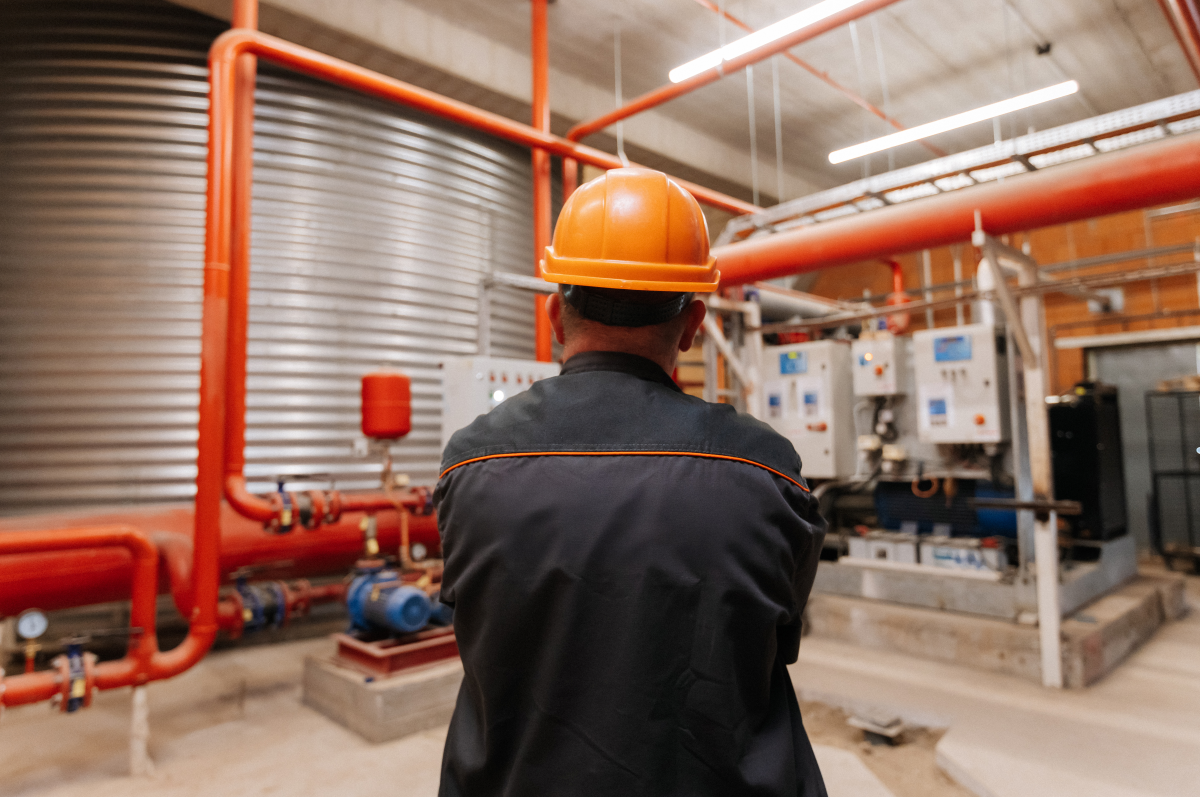
Fire protection systems require regular inspection, testing, and maintenance to remain operational and aligned with code requirements. The National Fire Protection Association (NFPA) outlines these requirements in NFPA 25: Standard for the Inspection, Testing, and Maintenance of Water-Based Fire Protection Systems. For 2026, facility managers and building owners should understand how NFPA 25 applies to fire sprinkler systems, standpipes, and related components.
What Is NFPA 25?
NFPA 25 is the standard that governs the ongoing inspection, testing, and maintenance of water-based fire protection systems after installation. It applies to systems such as:
- Standpipe systems
- Fire pumps
- Water storage tanks
The purpose of NFPA 25 is to verify that these systems remain in proper operating condition over time and continue to provide reliable fire protection.
Why NFPA 25 Compliance Matters
NFPA 25 compliance supports system performance, inspection readiness, and documentation requirements. Fire protection systems may degrade due to corrosion, mechanical wear, or environmental conditions, which makes routine inspection important.
Compliance with NFPA 25 helps facilities identify deficiencies in system components, maintain documentation for inspections and audits, align with local fire codes and authority having jurisdiction (AHJ) expectations, and support insurance and risk management requirements.
NFPA 25 Inspection Frequencies
NFPA 25 outlines inspection and testing intervals based on system components. While requirements may vary by jurisdiction, common inspection frequencies include:
Weekly and Monthly Inspections
- Control valves are checked for proper position
- Gauges are reviewed for pressure readings
- Fire pump status is verified
Quarterly Inspections
- Alarm devices and supervisory signals are reviewed
- Valve supervisory systems are checked
Annual Inspections
- Full system inspections are conducted
- Sprinkler heads, piping, and fittings are examined
- Fire pumps and water flow devices are tested
Multi-Year Testing
- Internal pipe inspections (typically 5-year intervals)
- Obstruction investigations (as required based on conditions)
- Component-specific testing intervals per NFPA 25 tables
These intervals help maintain consistent oversight of system condition and performance.
What Is Included in NFPA 25 Inspections?
NFPA 25 inspections evaluate multiple system components to identify potential issues. Typical inspection scope includes:
- Control valves and valve supervision
- Sprinkler heads and piping condition
- Fire department connections
- Water flow and alarm devices
- Fire pumps and backup power systems
Inspectors document findings and identify deficiencies that may require repair or follow-up testing.
Common NFPA 25 Deficiencies
During inspections, common issues may include:
- Closed or partially closed valves affecting water supply
- Corrosion or pipe deterioration compromising system integrity
- Obstructed sprinkler heads preventing proper discharge
- Damaged components or fittings requiring replacement
- Inoperable alarm devices failing to signal system status
Identifying these conditions early allows facilities to address issues before they affect system operation during an actual fire event.
Documentation and Recordkeeping
NFPA 25 requires that inspection, testing, and maintenance activities be documented. Records typically include:
- Inspection dates and results
- Testing procedures performed
- Identified deficiencies
- Corrective actions taken
These records are often reviewed by authorities having jurisdiction and insurance providers during audits or compliance verifications.
Preparing for NFPA 25 Compliance in 2026
Facilities preparing for 2026 inspections should review their inspection schedules, documentation practices, and system condition. Coordinating inspections, maintaining accurate records, and addressing deficiencies are key steps in aligning with NFPA 25 requirements.
Key preparation activities include:
- Reviewing current inspection schedules against NFPA 25 requirements
- Organizing documentation from previous inspections
- Addressing any outstanding deficiencies from prior reports
- Scheduling required annual and multi-year testing
- Confirming qualified personnel perform inspections
Pye-Barker Fire & Safety provides inspection, testing, and maintenance services for fire sprinkler systems, standpipes, and related water-based fire protection systems. These services support NFPA 25 compliance and help facilities maintain documented inspection programs.
Frequently Asked Questions
What is NFPA 25?
NFPA 25 is the standard that outlines inspection, testing, and maintenance requirements for water-based fire protection systems such as sprinklers and standpipes.
How often do fire sprinkler systems need to be inspected?
Inspection frequency depends on system components, with some checks performed weekly or monthly and full system inspections typically conducted annually per NFPA 25 requirements.
Who is responsible for NFPA 25 compliance?
Building owners or facility managers are generally responsible for maintaining fire protection systems and coordinating required inspections and testing.
What happens if deficiencies are found during an NFPA 25 inspection?
Deficiencies must be documented and corrected promptly. NFPA 25 requires that impairments be handled according to established procedures, which may include implementing fire watch or notifying relevant parties.