
Special Solutions For Special Situations
Special Hazard Fire Suppression Systems
Engineered Protection for High-Risk and Non-Standard Hazards
Some environments require more than traditional sprinkler systems to effectively control fire risk. Pye-Barker Fire & Safety provides specialty fire suppression systems designed for high-risk, sensitive, and non-standard applications where water-based protection is not appropriate. Through hazard analysis, engineered system design, and professional installation, we deliver customized suppression solutions that protect people, critical assets, and operations while supporting code compliance and long-term reliability.
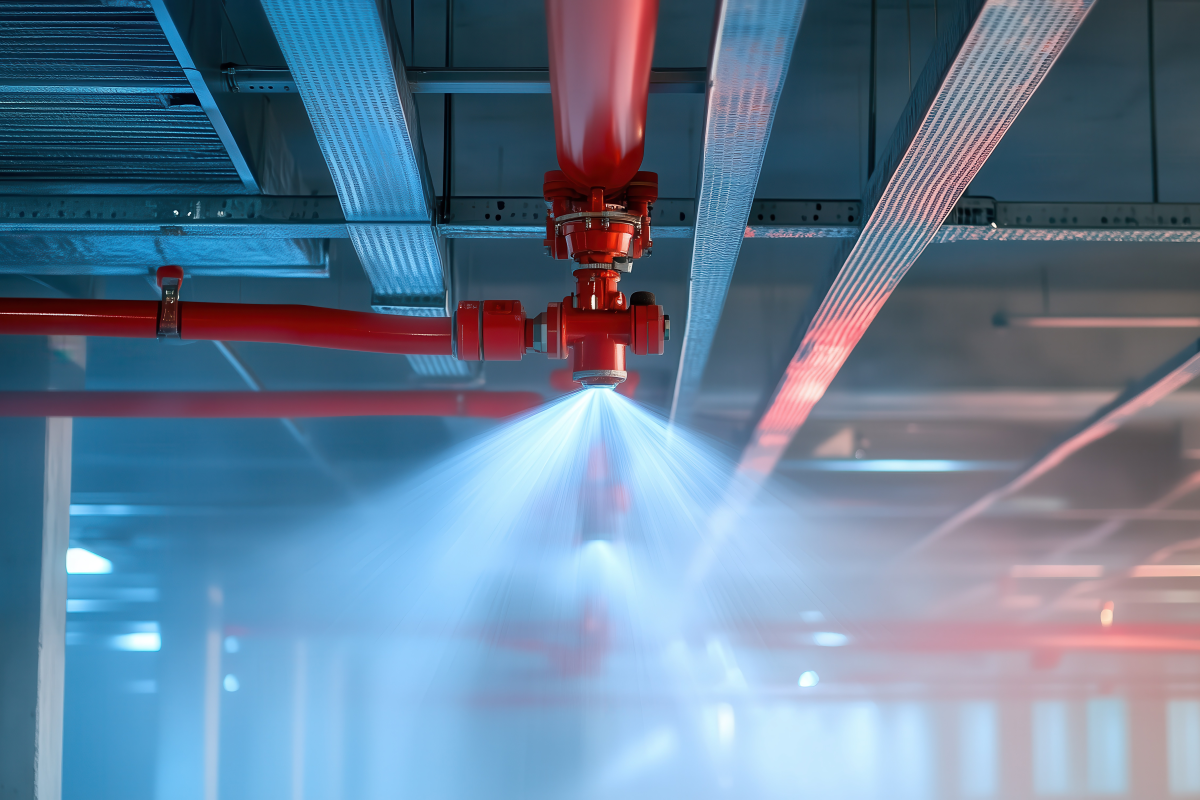
Hazard-Specific System Design
Special hazard fire suppression begins with identifying risks that traditional sprinklers cannot adequately address, such as flammable liquids, sensitive electronics, or high-value equipment. Systems are engineered using the appropriate suppression agents to control fires quickly without causing additional damage. Hazard-driven design is critical for protecting complex and high-risk environments.

Code Compliance and Engineering Expertise
Special hazard systems must meet strict NFPA standards and local fire code requirements to provide safe and reliable performance. Engineering focuses on accurate system selection, proper integration with detection and alarms, and thorough documentation. This compliance-first approach helps facilities pass inspections and reduce long-term risk and liability.

Reliable Installation, Inspection, and Ongoing Service
Proper installation and routine maintenance are essential for special hazard systems to function correctly during an emergency. Professional service verifies system readiness, agent levels, and detection components. Ongoing inspection and support help maintain reliability, protect critical assets, and long-term operational continuity.
Frequently Asked Questions
What is a special hazard fire suppression system?
A special hazard fire suppression system is designed to protect high-risk or sensitive environments where traditional water-based sprinklers may be ineffective or cause damage. These systems use agents such as clean agents, foam, or dry chemicals to suppress fires quickly and safely. Special hazard systems are commonly used in data centers, industrial facilities, aviation environments, and areas with flammable materials. Learn more about clean agent suppression systems
When are special hazard fire suppression systems required?
Special hazard fire suppression systems are required when fire risks involve flammable liquids, gases, sensitive electronics, or critical equipment. They are often mandated by NFPA standards and local fire codes for specific occupancies or hazards. Installing the correct system helps facilities remain compliant while reducing the risk of fire-related damage and downtime. Vehicles | Data Centers | Paint Booths
What types of special hazard fire suppression systems are available?
Special hazard fire suppression systems include clean agent systems, foam suppression, dry chemical systems, and pre-action systems depending on the application. Each system is selected based on the type of hazard, the environment, and operational requirements. Proper system selection provides effective fire control while protecting people, assets, and business continuity. Learn more about the difference between clean agent vs pre-action
Brandon was my tech. He serviced my fire suppression system. He was very quick so I didn’t have any interruption for my kitchen. They are out here twice a year and are always professional.