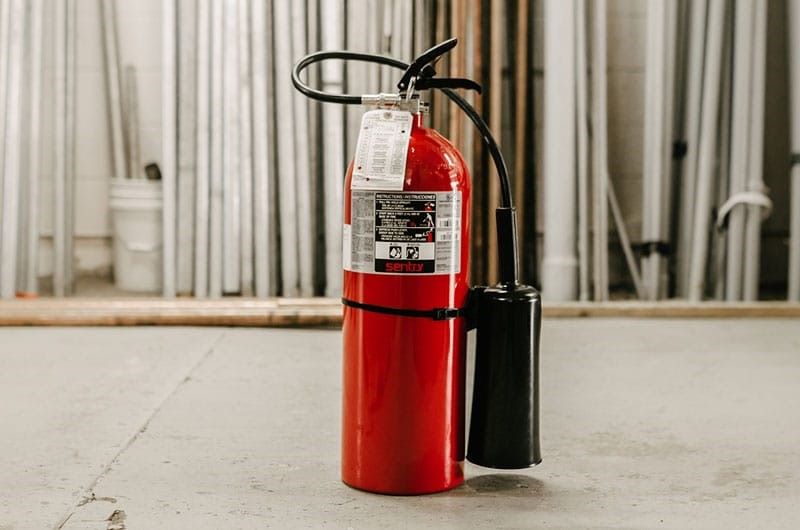
Hydrostatic testing is a critical procedure used to verify the strength and integrity of pressurized fire protection systems. Over time, piping, cylinders, and components can weaken due to corrosion, mechanical stress, or environmental conditions. Hydrostatic pressure testing helps identify leaks or structural deficiencies before a system is placed into service or returned to operation.
What Is Hydrostatic Testing?
Hydrostatic testing is a pressure test that uses water to evaluate the integrity of fire protection systems and pressure-containing components. During the test, the system is filled with water and pressurized to a specified level for a defined period. Inspectors monitor for pressure loss, visible leaks, or structural failures.
Hydrostatic testing is commonly performed on:
Why Is Hydrostatic Testing Required?
Hydrostatic testing is required by fire protection standards to verify that systems can withstand operating pressures without failure. Water-based systems and pressurized cylinders must demonstrate structural integrity before initial activation and after certain repairs or modifications.
Testing helps identify:
- Corrosion or internal pipe deterioration
- Damaged fittings or joints
- Freezing-related pipe damage
- Manufacturing defects
- Pressure weaknesses after system alterations
NFPA Standards for Hydrostatic Testing
According to NFPA 13, the Standard for the Installation of Sprinkler Systems, all new or modified sprinkler installations must undergo hydrostatic pressure testing. The standard specifies test pressures, durations, and acceptance criteria.
NFPA 25, the Standard for the Inspection, Testing, and Maintenance of Water-Based Fire Protection Systems, outlines ongoing testing requirements for existing systems, including periodic hydrostatic tests for specific components.
NFPA 10, the Standard for Portable Fire Extinguishers, establishes hydrostatic testing intervals for fire extinguisher cylinders based on extinguisher type and contents.
| System Type | Test Pressure | Test Duration | NFPA Standard |
| Fire Sprinkler Systems (new installation) | 200 psi or 50 psi above system working pressure (whichever is greater) | 2 hours | NFPA 13 |
| Fire Sprinkler Systems (modifications >20 sprinklers) | 200 psi or 50 psi above system working pressure (whichever is greater) | 2 hours | NFPA 13 |
| Standpipe Systems (manual and semi-automatic dry) | 200 psi or 50 psi above maximum pressure if >150 psi | 2 hours | NFPA 25 |
| Fire Department Connection Piping | 150 psi | 2 hours | NFPA 25 |
| Fire Extinguishers | Varies by cylinder type | Varies | NFPA 10 |
When Is Hydrostatic Testing Performed?
Hydrostatic testing is typically required in the following situations:
- During new fire sprinkler system installation
- After system modifications or repairs affecting more than 20 sprinklers
- Following extended system shutdowns
- After freeze events or pipe damage
- At scheduled intervals for certain fire extinguishers
- Every 5 years for manual standpipe systems
- Every 5 years for fire department connection piping
Testing requirements vary depending on system type and governing code.
What Happens During a Hydrostatic Test?
During hydrostatic testing, the system is isolated and filled with water to remove air. The system is then pressurized to the specified test pressure, which according to NFPA 13 is typically 200 psi for sprinkler systems or 50 psi above system working pressure if that results in a higher test pressure.
The pressure is held for the required duration (typically 2 hours) while technicians monitor for:
- Pressure drops
- Visible leaks
- Structural movement
- Component failures
NFPA 13 specifies that successful test results are indicated by pressure loss of less than 5 psi or by no visual leakage.
What Happens If a System Fails Hydrostatic Testing?
If a system fails hydrostatic testing, the source of the pressure loss must be identified. This may involve repairing pipe joints, replacing fittings, or removing damaged sections of piping.
After corrective work is completed, the system must be retested to verify performance. Documentation is updated to reflect the findings and corrective actions.
The Risks of Skipping Hydrostatic Testing
Skipping hydrostatic testing can create compliance and operational risks, including:
- Undetected leaks inside walls or ceilings
- Pipe rupture under pressure
- Code violations during authority having jurisdiction inspections
- Insurance reporting issues
- Business interruption from system failures
According to NFPA 25, routine testing supports structural verification before a system is placed back into service after maintenance or repairs.
Hydrostatic Testing Documentation
Hydrostatic testing must be documented to satisfy inspection and regulatory requirements. Reports typically include:
- Test pressure applied
- Duration of test
- System location
- Observed deficiencies
- Corrective actions taken
- Date and signature of testing personnel
Accurate documentation supports authority having jurisdiction inspections and internal compliance tracking.
Hydrostatic Testing Services
Pye-Barker Fire & Safety provides hydrostatic testing services for fire sprinkler systems, standpipes, suppression systems, and fire extinguishers in accordance with applicable NFPA standards.
Whether testing is required following installation, system modification, or periodic inspection, experienced technicians coordinate testing procedures and documentation to align with fire code requirements.